
EU Ecodesign 2026: The Packaging Reset CPG & FMCG Brands Must Act On Now – Secure Compliance and Shelf Life Before August
Beat the 2026 Deadline: How CPG & FMCG Brands Can Prepare for PPWR
EU Ecodesign 2026: The Packaging Reset Regulation (PPWR) enters into force under the Ecodesign for Sustainable Products Regulation (ESPR). European CPG & FMCG Brands Must Act Now
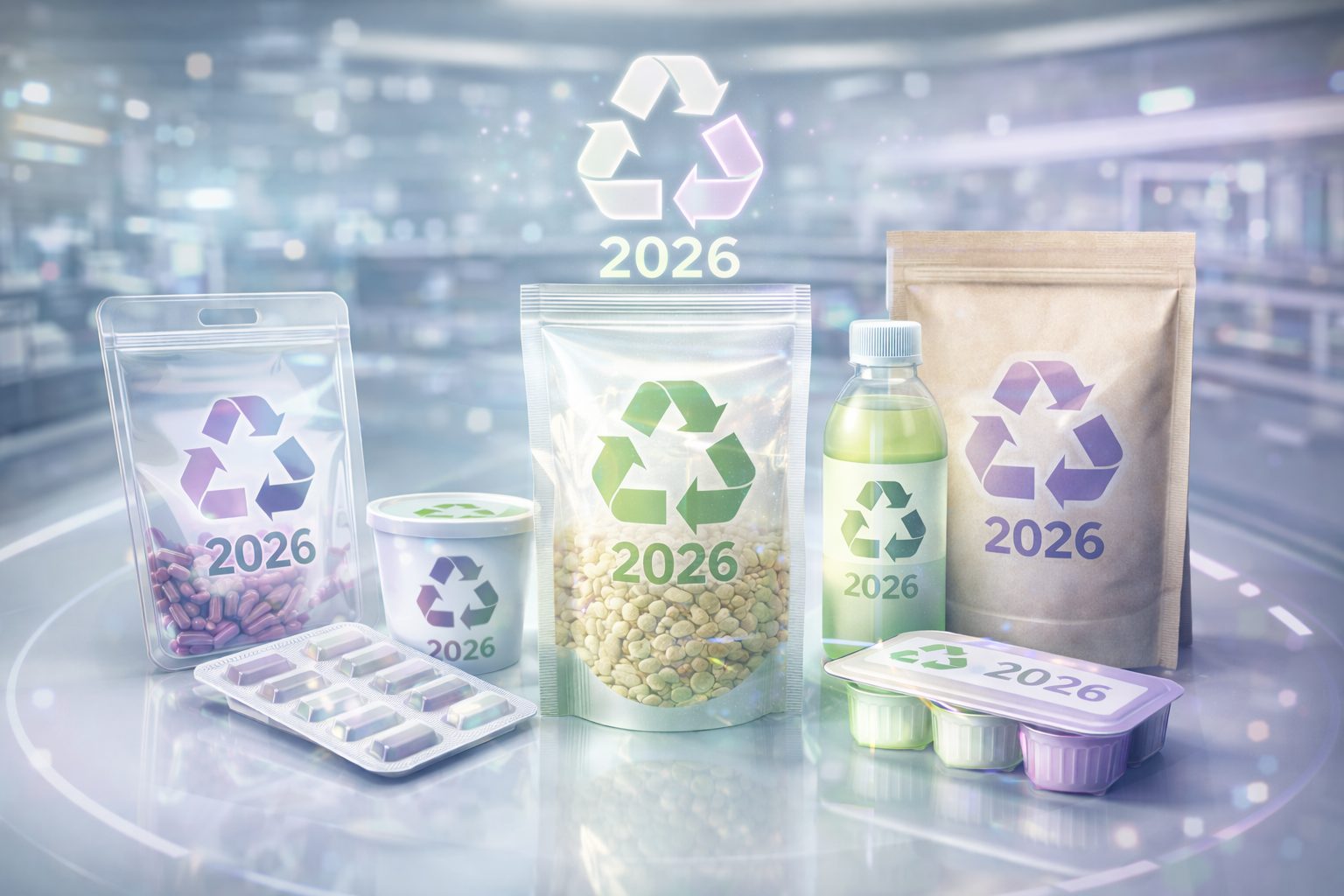
August 2026 marks a major turning point for packaging in the EU. The Packaging & Packaging Waste Regulation (PPWR), part of the broader Ecodesign for Sustainable Products (ESPR) framework, will enforce strict requirements for recyclability, traceability, and the use of sustainable materials. For CPG and FMCG brands, the message is clear: non-compliant packaging will limit market access. The central challenge — eliminating non-recyclable barriers like EVOH and aluminum while preserving shelf life — demands action now.
Melodea is helping brands navigate this transition with innovative, fully recyclable barrier solutions for both plastic- and paper-based applications. Their water-based coatings maintain product protection, extend shelf life, and comply with EU rules — without major capital investment and in as little as two months.
What EU Ecodesign 2026 Requires
The ESPR embeds circular economy principles directly into product design. It requires improved material transparency, restrictions on substances of concern, such as PFAS and BPA, and the introduction of the Digital Product Passport (DPP) to enhance traceability across the value chain.
The PPWR complements this framework by setting binding requirements for packaging recyclability and recycled content. By 2030, all packaging placed on the EU market must be recyclable.
For converters, film manufacturers, and brand owners, this means packaging structures must be compatible with established recycling streams and supported by documented material composition and performance validation. Complex multilayer laminates that combine incompatible materials are becoming increasingly difficult to justify under this regulatory environment.
The Barrier Dilemma Facing CPG & FMCG Brands
High-barrier flexible packaging has traditionally relied on multilayer constructions to protect sensitive products, delivering strong oxygen and moisture barriers across food, beverage, pet care, personal care, and pharma categories. However, many of these multilayer solutions are not recyclable within mono-material PE or PP streams — creating a direct compliance risk as enforcement under PPWR and ESPR intensifies.
Brands face mounting pressure from regulators, retailers, and investors. Reformulating too late leads to rushed development cycles and higher costs. Reformulating without preserving performance risks increased food waste and product instability.
The market now requires high-barrier, recyclable packaging that aligns performance with circular design principles.
Transitioning to Mono-Material Structures with Performance
The industry assumption that high-barrier requirements require complex, non-recyclable laminates is being replaced by a new approach: mono-material structures supported by advanced barrier coatings. Innovative coatings deliver strong barriers in simple film or paper structures, keeping packaging compatible with established recycling streams while protecting product integrity.
Melodea’s Recyclable Barrier Solutions for Plastic and Paper
Within this evolving regulatory landscape, Melodea develops innovative barrier solutions that enable flexible, recyclable mono-material films in plastic and paper-based packaging.
For plastic packaging, Melodea’s water-based MelOx NGen supports mono-material PE or PP films, replacing non-recyclable barrier layers while maintaining the required shelf-life performance — compatible with existing plastic recycling streams.
For paper-based packaging, the combination of MelOx NGen and VBseal barrier technology provides strong protection against oxygen and moisture, is fully compatible with paper recycling streams, and supports brands transitioning from complex laminates to paper-based mono-material alternatives.
In both applications, Melodea’s coatings are PFAS-free and BPA-free, developed to comply with food-contact regulations and aligned with PPWR recyclability requirements and Digital Product Passport transparency obligations.
Rapid Scale-Up to Meet Regulatory Timelines
Speed of transition is critical as EU Ecodesign 2026 approaches. Melodea’s barrier solutions integrate into existing industrial coating infrastructure without requiring full replacement of extrusion or lamination lines. Following technical validation and pilot testing, industrial-scale-up can be achieved within approximately 2 months, allowing converters and brand owners to move from concept to commercial production without prolonged disruption.
Reducing Risk While Maintaining Shelf Life
Simplified material structures support easier documentation under the Digital Product Passport framework. Compatibility with established recycling streams aligns with PPWR requirements. Maintaining shelf life helps prevent food waste and protects brand equity.
EU Ecodesign 2026 represents a structural reset in packaging design. CPG and FMCG brands that move to recyclable mono-material or paper-based packaging can align performance, compliance, and sustainability in one strategy—not just to comply, but to redefine high-barrier packaging for the circular economy.